
ADAS Calibration: The Repair Line Estimates Often Leave Out
Why cameras, radar and sensors need recalibration after many repairs, and how to make sure the estimate pays for it.
These auto insurance claim guides go deeper on the questions car owners ask once a claim is under way: how long appraisal takes, what to put in a demand letter, how to handle a lowball total loss offer, whether diminished value is worth claiming after a minor accident.

The auto insurance claim guides are grouped by pillar. Each post links back to its pillar guide and to the related sub-topic pages, so you can move from a specific question to the full picture and back.
Part of the auto insurance appraisal pillar.
Why cameras, radar and sensors need recalibration after many repairs, and how to make sure the estimate pays for it.

A plain outline for the written demand that starts appraisal, with the details that keep it from being challenged.

Each stage of appraisal, what usually happens in it, and the delays that push the process out.

The warning signs of missed damage or a poor repair, what an independent inspection checks, and how to reopen the claim.
Prevailing rates, posted shop rates and the evidence that settles who pays the difference.
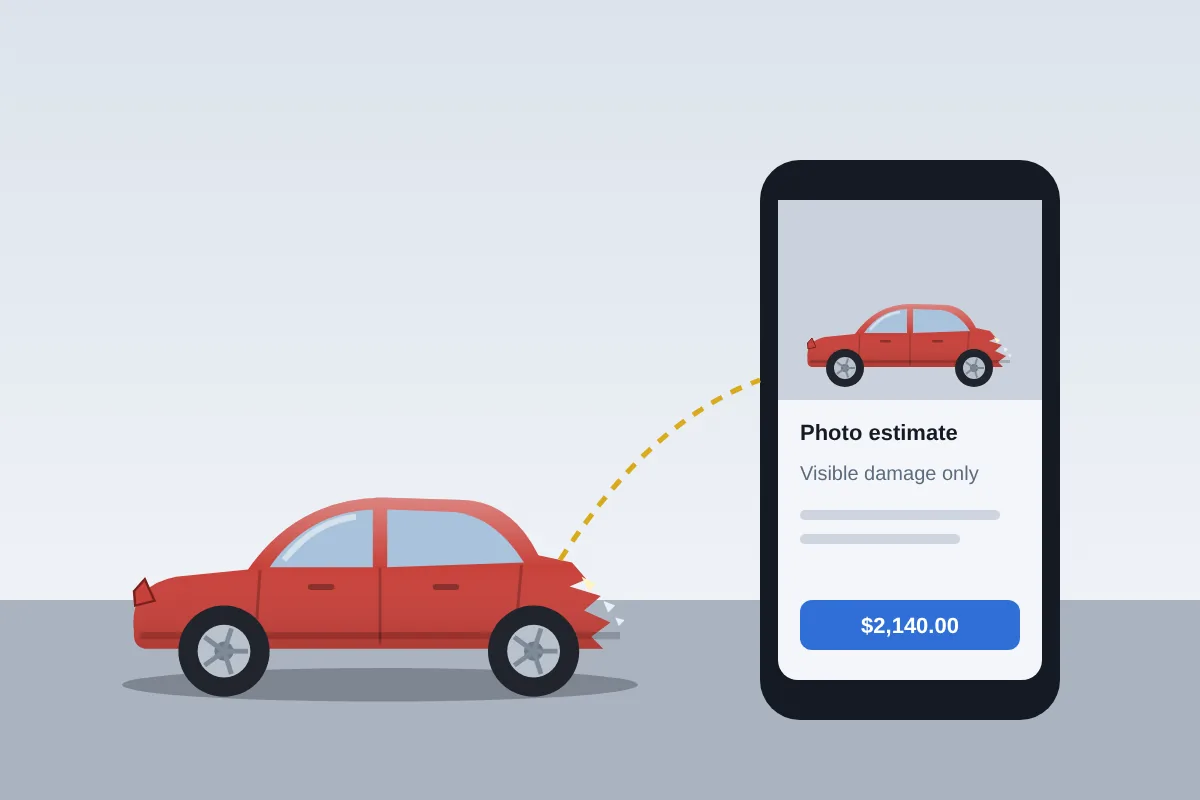
What app-based estimates can and can't see, and how to protect the claim before taking the first payment.
Why nearly every repair estimate changes after teardown, and how to keep supplements moving.
Coverage fights, small gaps, weak evidence and other cases where appraisal wastes money or time.
Part of the diminished value pillar.
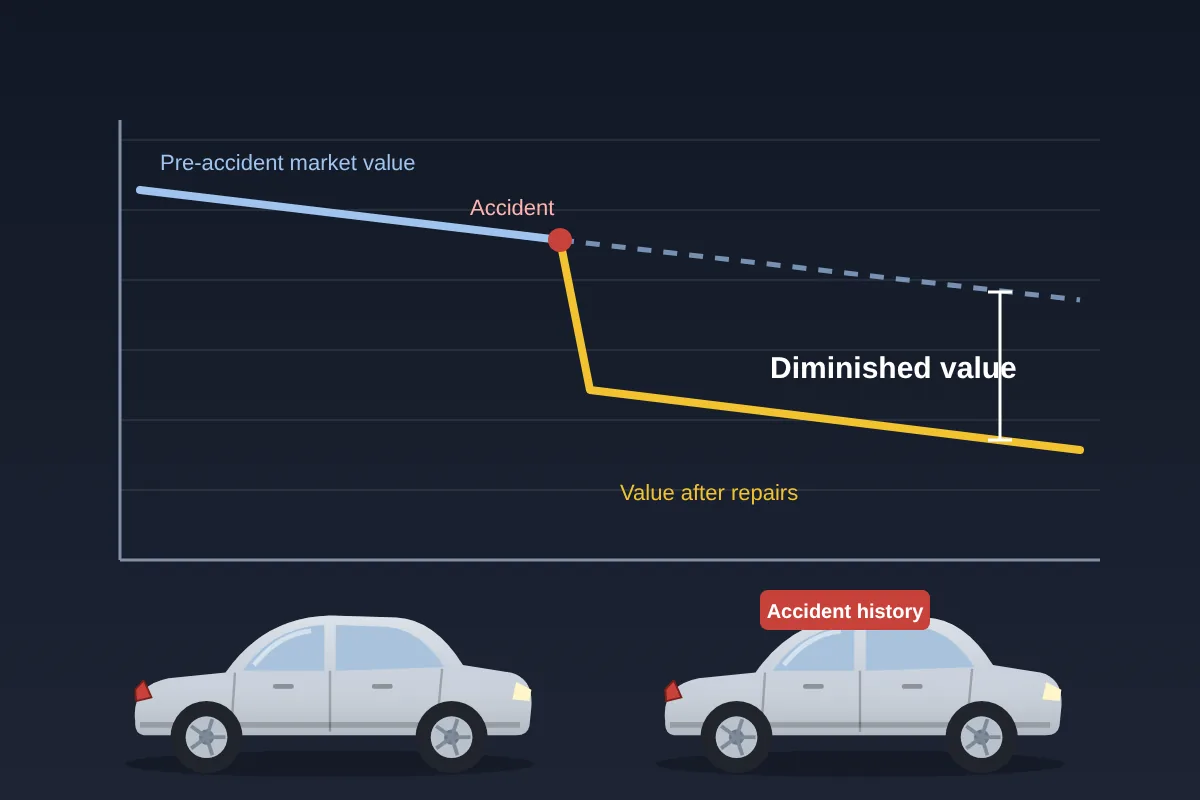
Why a line on a vehicle history report changes what dealers and buyers will pay, and how to use that as evidence.
The common reasons for a denial or lowball, how to answer each one, and the escalation options that remain.

Statutes of limitation, policy notice rules and release traps that can end a diminished value claim early.
A section-by-section outline for the letter that presents your claim and the evidence that makes it hard to dismiss.
Ownership, lease-end inspections and the residual: how diminished value works when the leasing company owns the car.

How to tell whether a small repair left a loss worth claiming, using damage type, age, mileage and the cost of proving it.
Structural and unibody repairs carry the heaviest resale penalty. Here is how to document the loss.
Why a car with only a few thousand miles takes the biggest hit from an accident history, and how to document it.
Part of the total loss pillar.

The sequence after an insurer declares a total loss, and the decisions you will face along the way.

Why the type of policy decides a collector car settlement, and what evidence proves value when comparables are scarce.

Custom equipment limits, receipts and how to get wheels, lifts, audio and other upgrades into the valuation.
A checklist of the paperwork the insurer will ask for, the evidence that supports your value, and the forms to read carefully.
The seven mistakes that most often drag a total loss value down, and the evidence that fixes each one.
Daily caps, day limits, the post-offer cutoff and loss-of-use claims against an at-fault driver.

How the payoff works when the loan exceeds the car's value, and the options for closing the shortfall.
Think the insurer's number is wrong? Talk it through before you sign anything.
Call Joseph Dittman for a straight read on your valuation, estimate or diminished value claim. If appraisal isn't the right tool for your dispute, you'll hear that on the first call.